The Woodland Trust
The Woodland Trust·£170,000·Bromsgrove, Worcestershire·August 2025 - September 2025
The Woodland Trust appointed McPhillips under a bespoke contract to deliver public realm improvements at Fairfield Forest near Bromsgrove, Worcestershire.
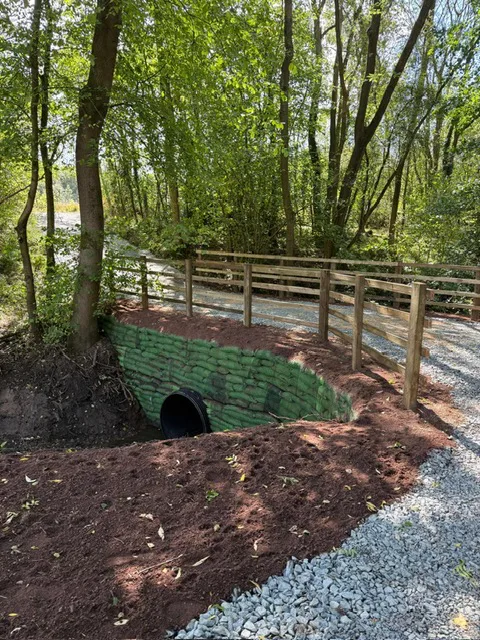
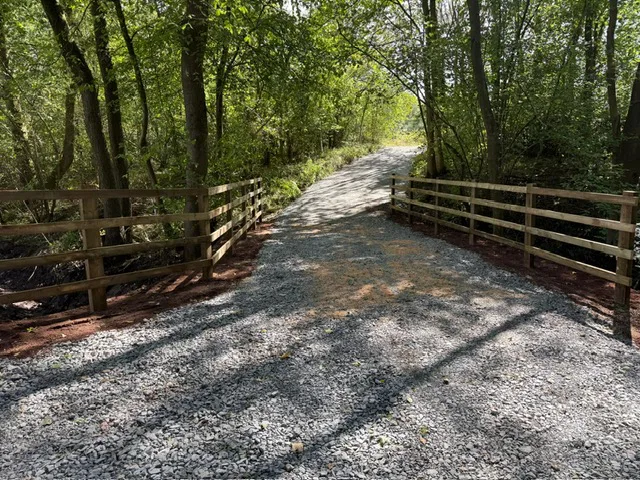
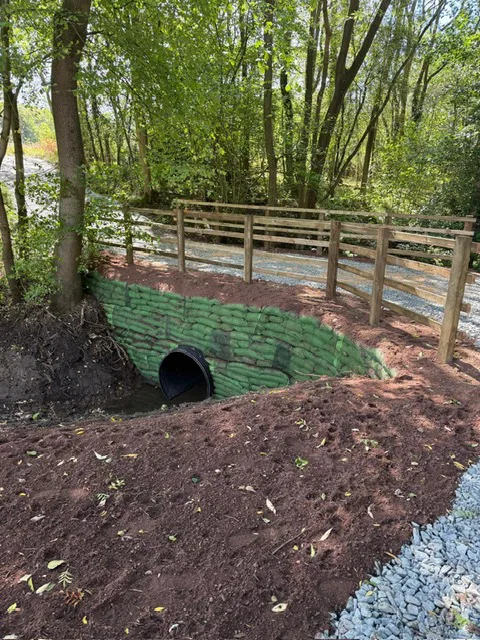
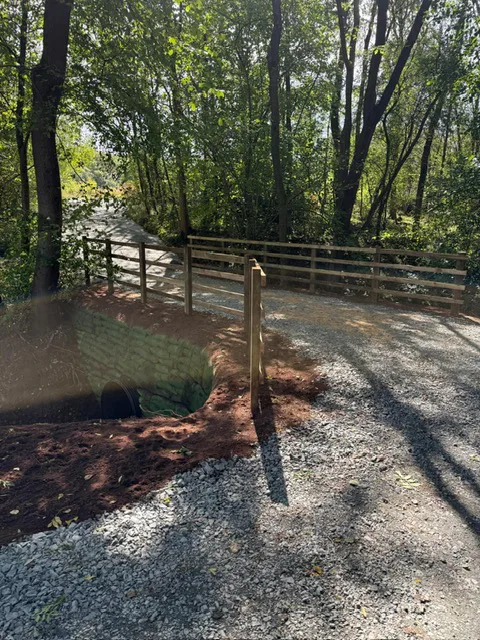
The works encompassed replacement of an existing brook culvert along with construction of a new access track and car park within an ancient woodland designation.
The existing watercourse crossed beneath a compacted stone access track with 4x 225mm diameter clay pipes and 1x 300mm diameter iron pipe acting as culverts, which were undersized and in poor repair. The solution involved constructing a new 1200mm diameter culvert complete with 2x vegetated bag headwall system using the RootLok system, replacing the existing culvert. In addition, the Woodland Trust required construction of a new stone vehicle access track approximately 450m long to access various parts of the woodland together with a 90m² stone car park.
Thanks again to you and your team for all the work you have done on this and for the professional way you operate.”
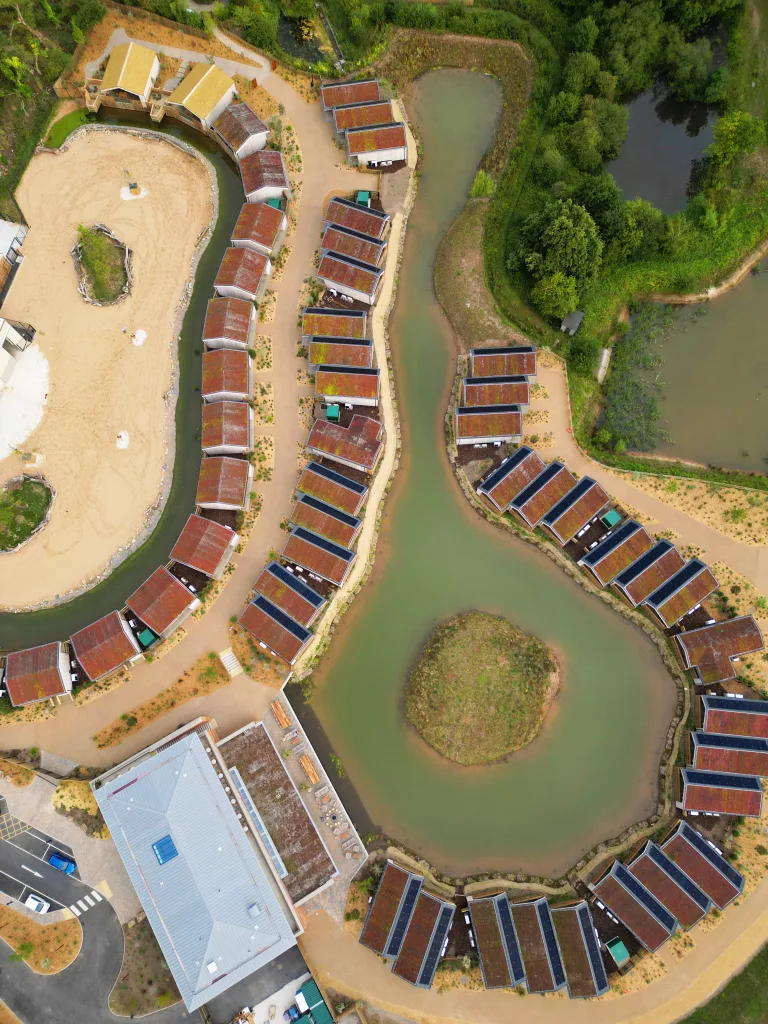
A landmark visitor attraction of 14 buildings and open savannah across 22.5 acres, plus The Reserve’s 51 luxury lodges, delivered on…
McPhillips were commissioned to undertake the Capital Works Element (refurbishment works) to three leisure centres run by Freedom Leisure…
McPhillips was the principal contractor for the redevelopment of the existing Dogs Trust Rehoming Centre near Darlington between June 2018…